IN CONVERSATION WITH SOUKI YAMASHITA: THE HISTORY OF KAIDO RACER CULTURE LIVES ON
Tokyo’s car culture has always lived in contradiction.
It’s loud yet calculated. Rebellious yet deeply respectful of history. Built on nostalgia while constantly evolving into something new. Somewhere between the glow of expressway lights, underground parking lots and late nights in private workshops, Japan created one of the most visually influential automotive subcultures in the world: Kaido Racer.
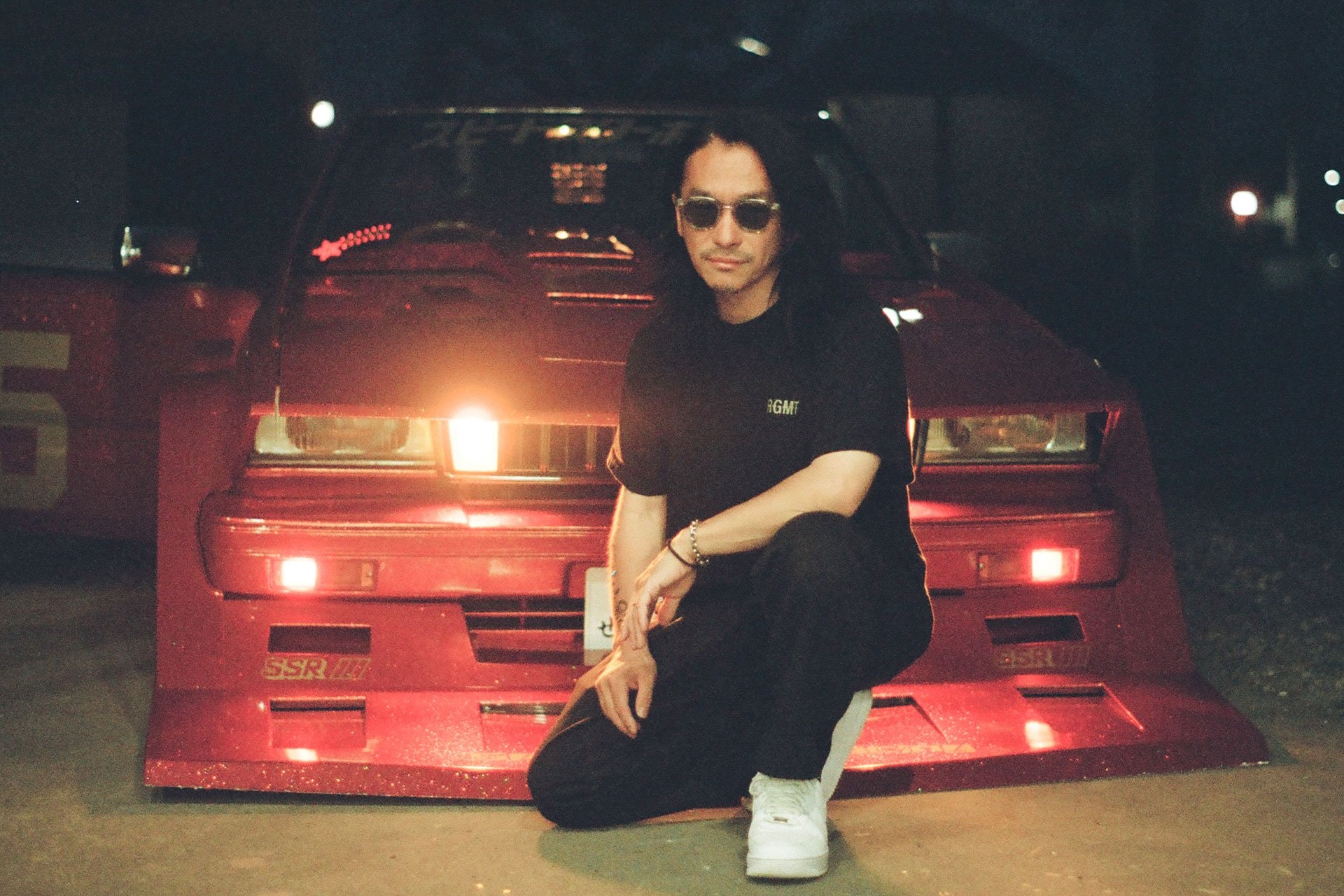
And few builders embody its modern evolution quite like Souki Yamashita.
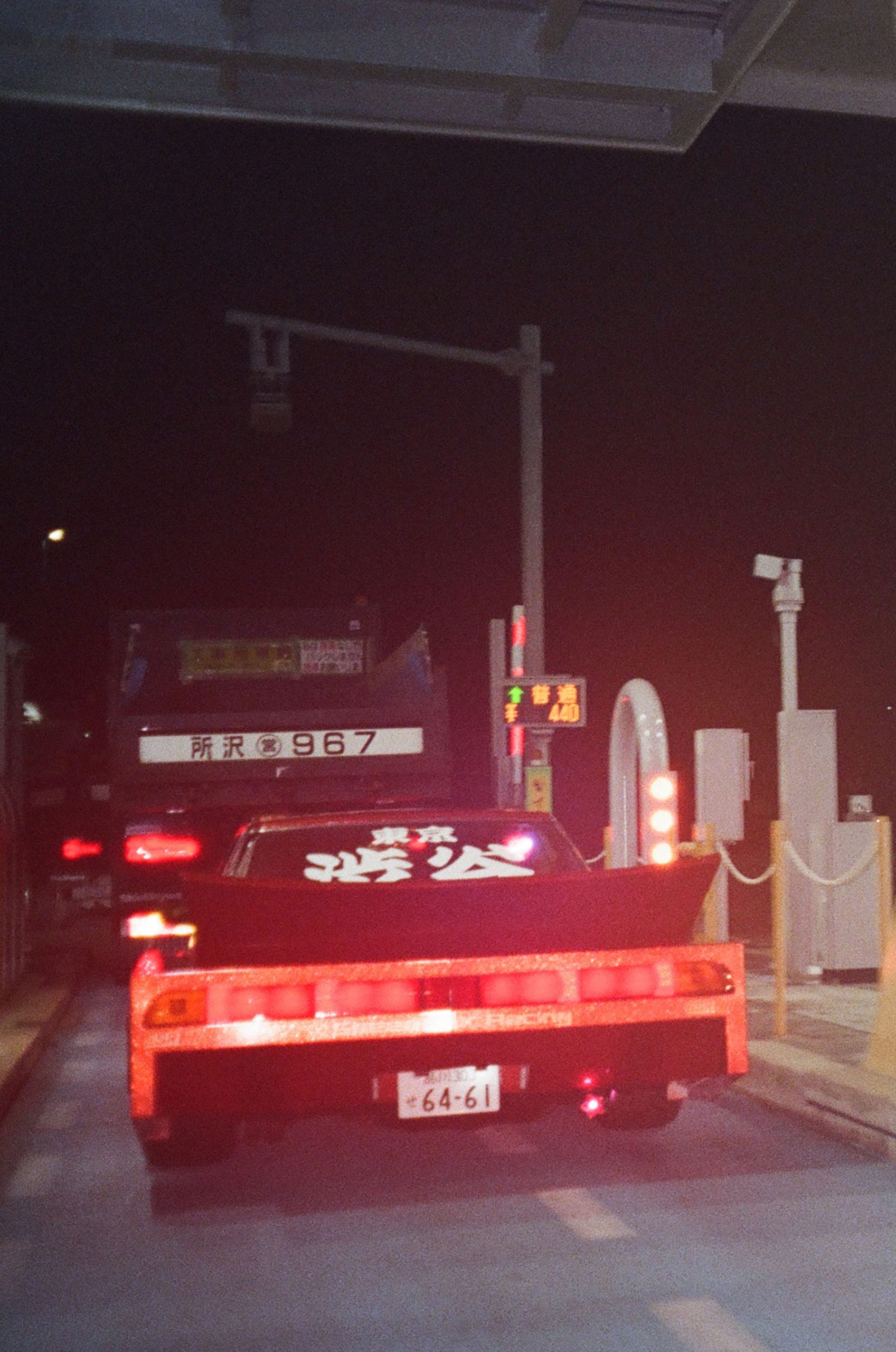
Previously known for an eclectic garage that includes a heavily modified Lamborghini Diablo and a Datsun Skyline C210, Souki’s latest creation, a Nissan Gloria Y30 feels less like a continuation and more like a distillation of everything that has shaped him over the years. It carries the unmistakable DNA of classic Kaido Racer culture, yet filters it through global influences, personal taste and an obsessive attention to detail that borders on architectural.
For Souki, the connection to the culture started early.
“I’ve always been inspired by Kaido Racer culture and the long history of modifying cars in that style,” he says. “I’ve been fascinated by these cars since I was very young.”
That fascination eventually expanded far beyond Japan alone.
“At the same time, I’ve always loved American car culture, especially lowriders, which I’m proud to own now. I like to take inspiration from American car-building culture and other countries and blend it with my country’s building culture to create something unique and personal to me.”
That philosophy sits at the centre of the Gloria Y30.
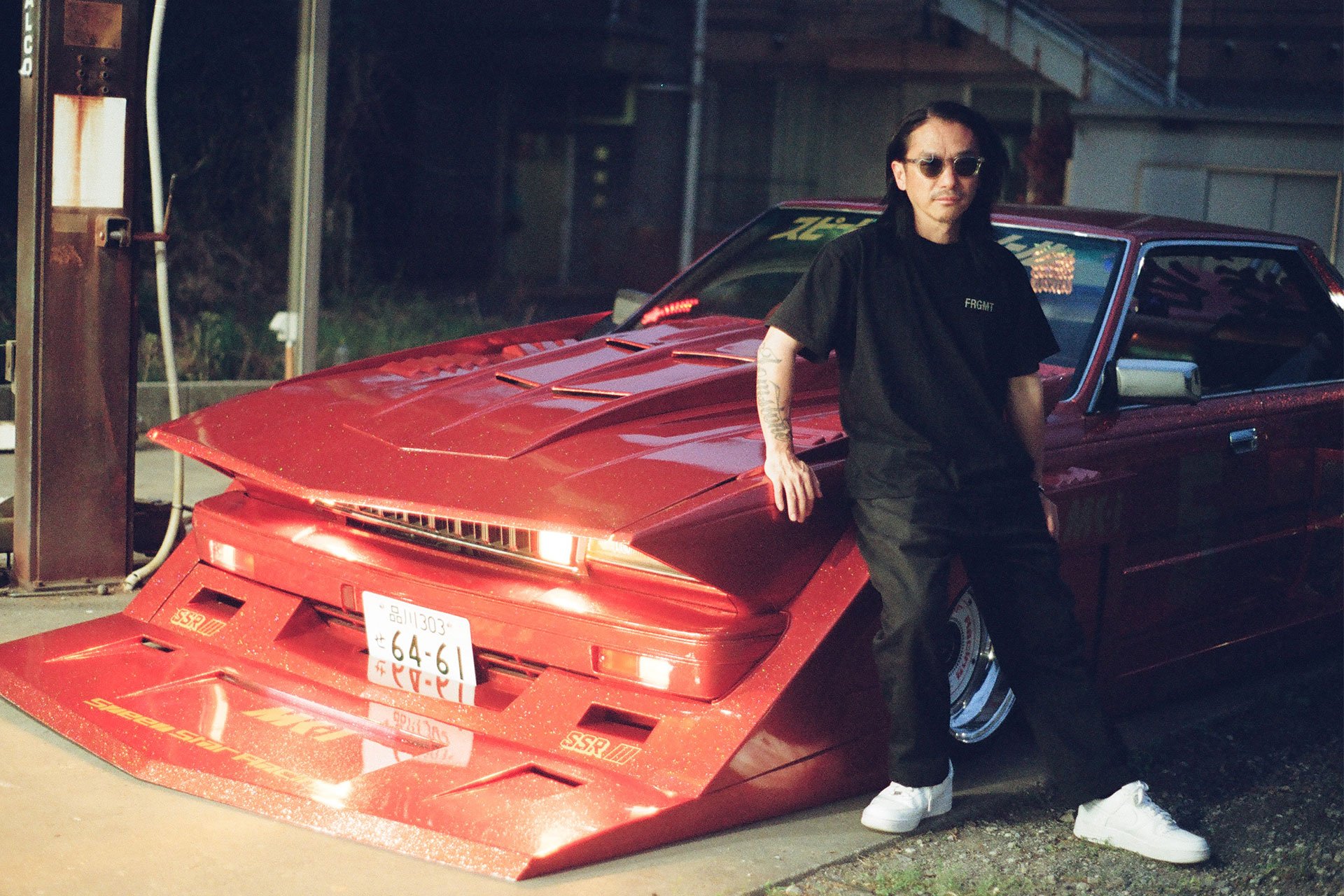
The car immediately commands attention, though not in the predictable way many modern builds attempt to. It doesn’t rely on excess for the sake of virality. Instead, the Y30 feels carefully composed. Every vent, line and proportion considered with the same discipline a designer might approach a concept sketch.
Long before the car existed physically, it existed in fragments.
“I first started out with a rough sketch and I slowly built it as the ideas flowed through,” Souki explains. “Just like all my other builds, I built this car all in my shed.”
That hands-on process remains central to his work. In an era where many builds are outsourced or assembled through catalogs of readily available parts, Souki’s cars feel deeply personal because they are personal.
“I spent countless hours perfecting each detail and thinking about the overall balance and proportions of the car until I was satisfied.”
That pursuit of proportion is what separates the Gloria from imitation Kaido Racer builds. The styling references are unmistakable. Exaggerated aero, layered bodywork and extended visual lines, but the execution feels restrained in all the right places.
“The styling is very much inspired by Kaido Racers, which itself is inspired by Super Silhouette cars back in the ’70s and ’80s,” he says. “For this car I wanted to differentiate it from a regular Kaido Racer and make it more unique and dear to my style.”
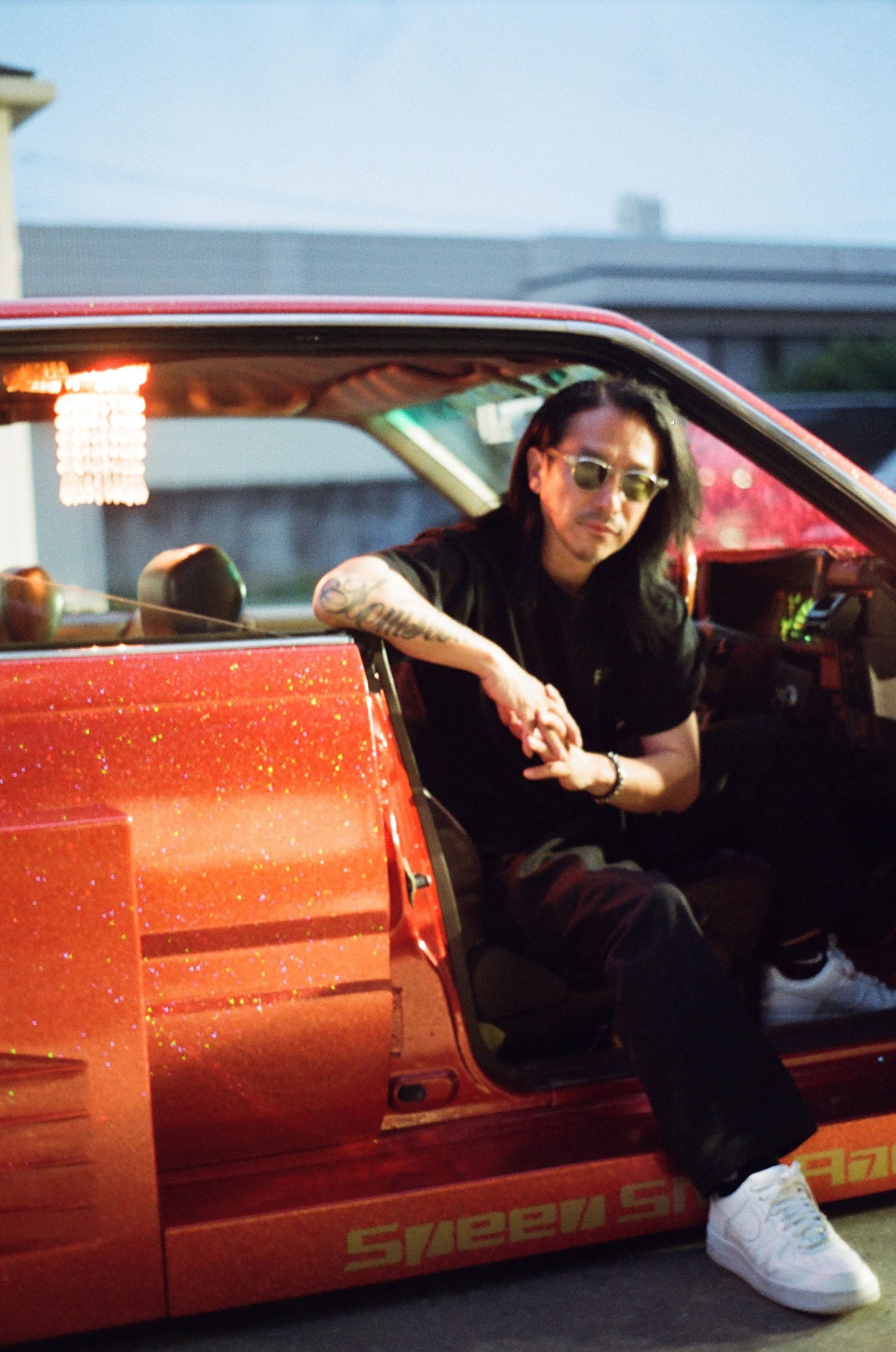
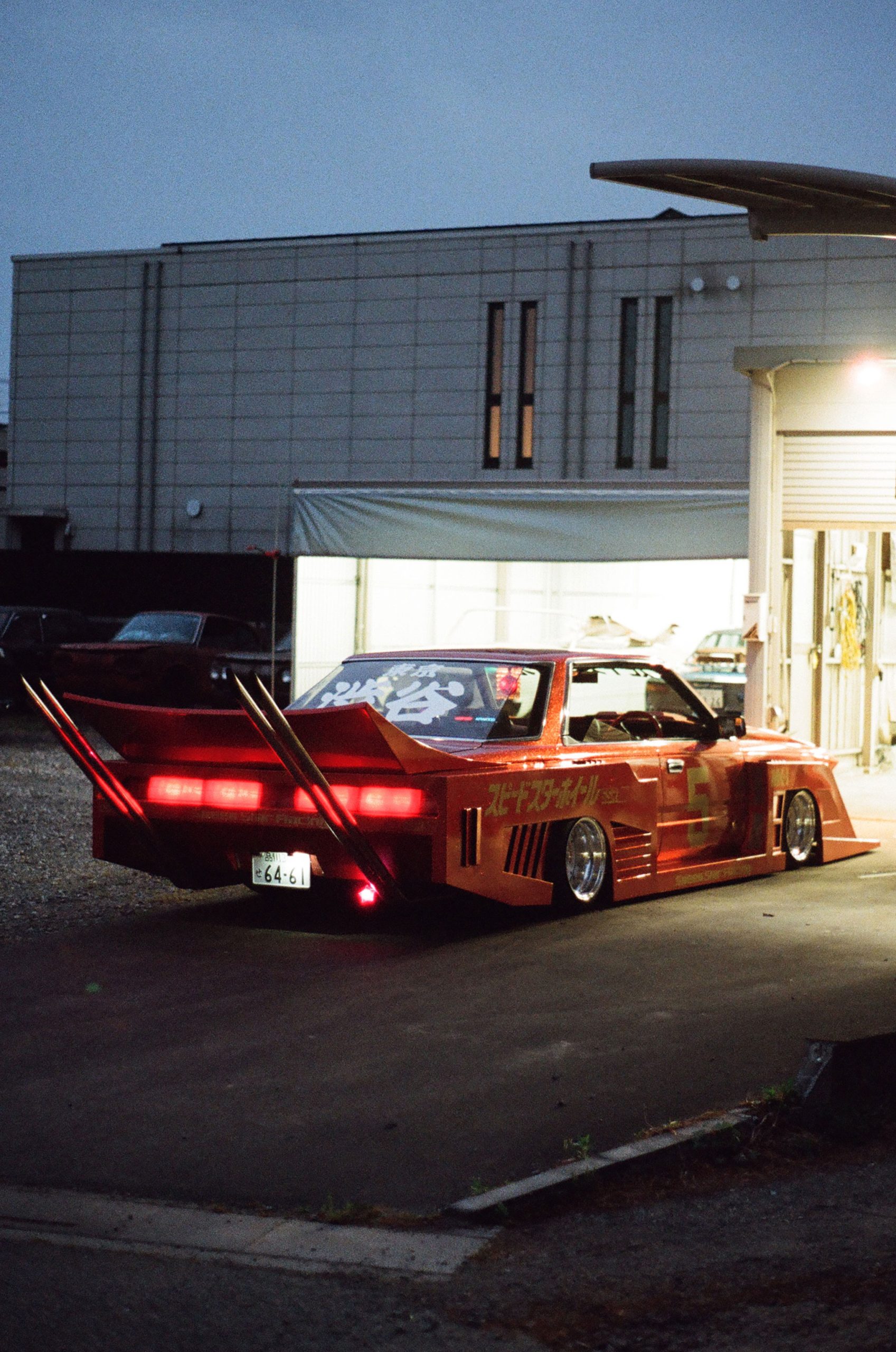
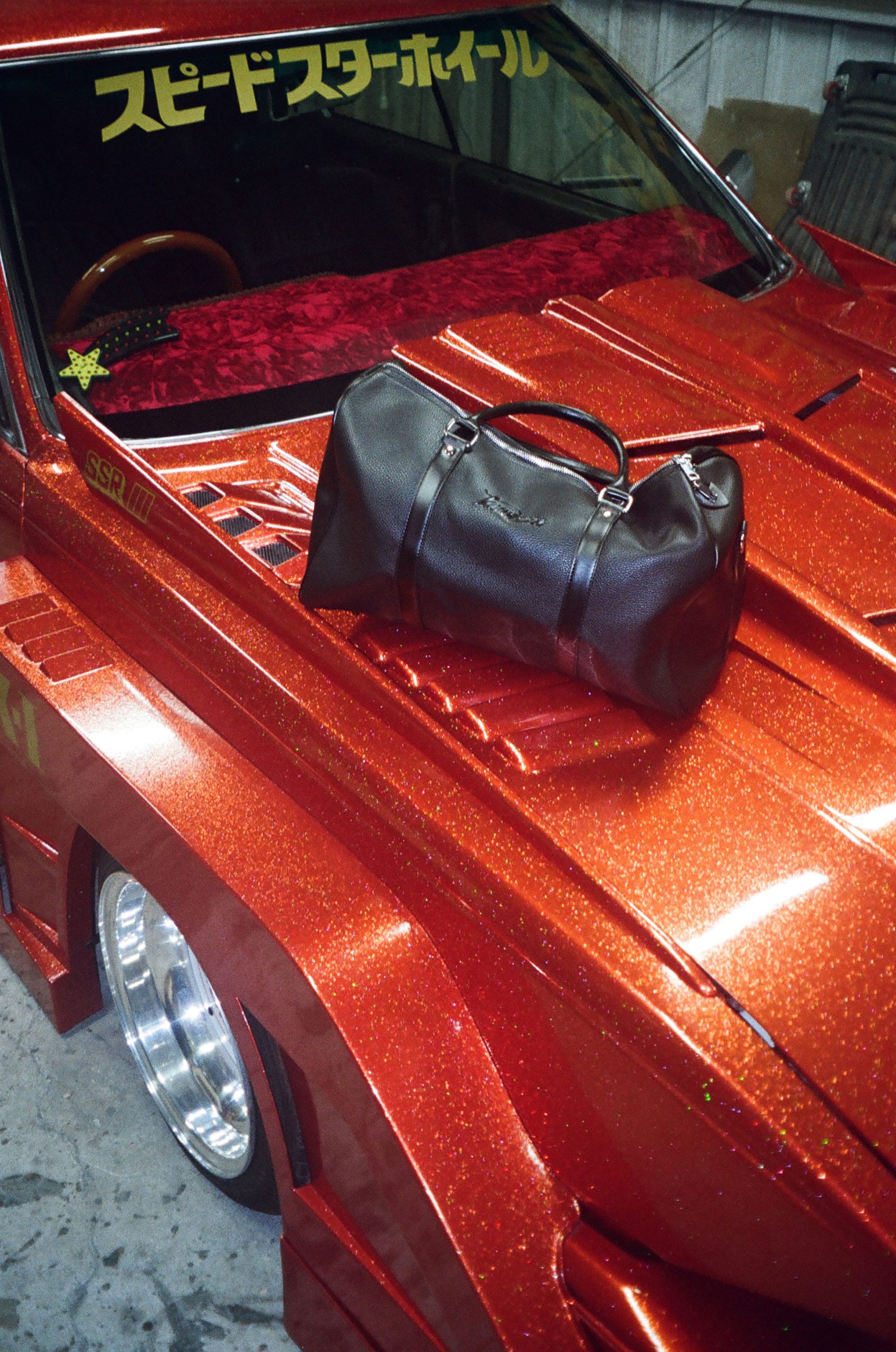
That individuality reveals itself in the finer details. The venting, graphics and colour palette move beyond traditional Kaido Racer conventions into something more contemporary and internationally influenced.
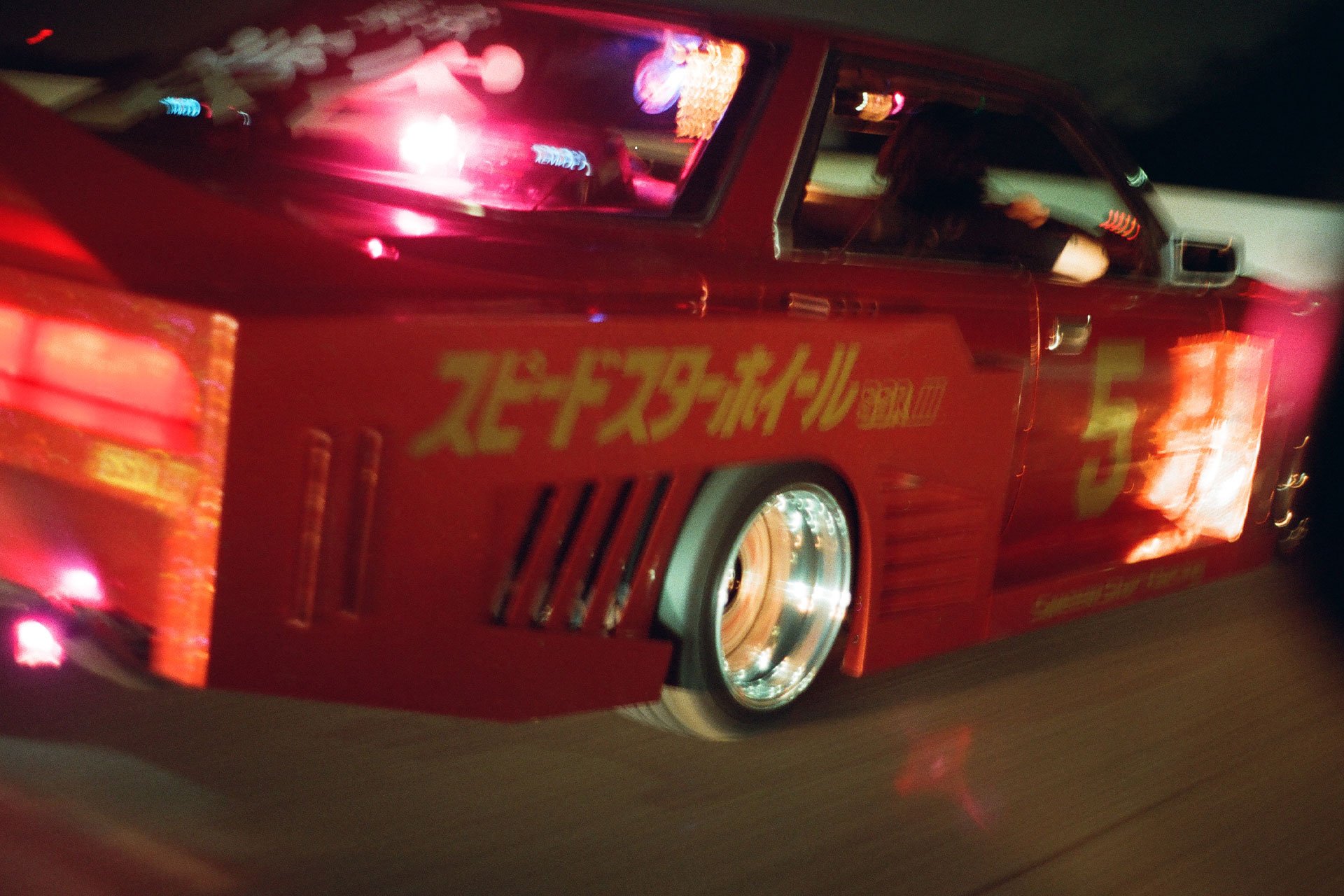
“The vents, the stickers and the colour I chose for this car are some of the elements that you don’t see often on regular Kaido Racers.”
Nothing about the car appears accidental. Even the smallest changes were reconsidered repeatedly until the visual balance felt right.
“The exterior of the car is fully custom including the wheels,” Souki says. “All the vent openings and grill placements were all chosen by me.”
At one stage, the overfenders were moulded flush into the hood line entirely, until he decided to start over.
“I wasn’t happy with how the lines looked so I restarted the whole process from the start to make it offset.”
That level of obsession is deeply embedded within Kaido Racer culture itself. Originating from Japan’s underground highway racing scene and heavily influenced by the dramatic silhouettes of 1970s and 1980s touring cars, the movement became an exercise in visual rebellion. Builders extended splitters beyond reason, fabricated towering exhaust pipes and transformed ordinary sedans into rolling expressions of identity.
Yet today, the culture has evolved far beyond its origins.
Modern Kaido Racer builds now absorb influences from around the world. Fashion, music, motorsport, lowrider culture, contemporary design and global street scenes all colliding into something uniquely personal. Souki’s Y30 represents that evolution perfectly.
“My builds are now an amalgamation of car building culture from all around the world,” he says.
That global crossover extends beyond cars alone.
Away from the workshop, Souki is also deeply involved in music. Before becoming a DJ, he played guitar in a band before eventually moving into music production.
“Around 2019 I was in love with hardstyle and used to produce that type of bass-heavy music,” he says. “After starting to DJ around seven years ago, my taste in music has slowly evolved and I’m now into house music.”
The parallels between music and car culture feel impossible to ignore. Both worlds revolve around rhythm, layering, atmosphere and identity. Like a carefully produced track, Souki’s cars balance aggression with restraint, chaos with precision.
Even his approach to collecting has shifted over time.
While the Lamborghini Diablo remains his favourite build, he admits his perspective has matured.
“As I grow older though I do start to appreciate and grow fond of more mature and tasteful cars,” he says. “Recently I’ve just finished dialing in my Hino Contessa and I’ve been having a great time going to events with it.”
That evolution mirrors Tokyo’s wider automotive landscape.
For decades, Japan’s underground car culture existed largely in isolation. Mysterious and inaccessible to outsiders. Today, enthusiasts from around the world travel to Tokyo specifically to experience it firsthand.
Souki sees that global interest as something worth embracing.
“I think it’s great that Japanese car culture has gained so much interest from people all around the world,” he says. “It makes me happy to see people from other countries coming to Japan, especially Tokyo, to experience the car culture here for themselves.”
He understands the fascination because he once experienced the reverse himself.
“Looking back, I used to do something similar, but in reverse. I would travel to the United States to see lowriders and experience American car culture firsthand.”
For him, the future of car culture depends on maintaining that exchange.
“One of the most important things is to maintain mutual respect between different cultures,” he says. “We should continue to learn from each other, build on each other’s ideas and use that exchange to push car culture forward as a whole.”